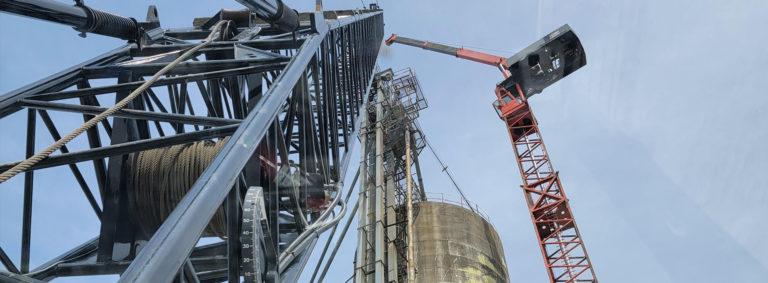
Hydraulic and lattice boom cranes are two types of cranes commonly used in construction and heavy lifting industries.
Hydraulic cranes utilize hydraulic systems to lift heavy loads. They are capable of lifting heavier loads than lattice boom cranes and are often more efficient due to their speed and ease of use. Hydraulic cranes come in various types such as telescopic, rough terrain, truck-mounted, and crawler cranes. They are ideal for construction sites with limited space and can be operated remotely, increasing safety levels.
On the other hand, lattice boom cranes are designed with a lattice-like structure that extends vertically to provide a stable lifting platform. They are versatile and can be used in a wide range of lifting applications, including heavy lifting and long-reach operations. Lattice boom cranes are known for their high lifting capacity, stability, and durability, making them ideal for projects such as bridge construction, steel erection, and port operations. However, they require more time and effort to set up and dismantle compared to hydraulic cranes.
In summary, the choice between hydraulic and lattice boom cranes depends on the specific needs of the project, including lifting capacity, maneuverability, and space limitations.
EXPERIENCE & SAFETY
We have been in business for over 30 years.
Crane safety experience is crucial in ensuring the safe operation of cranes. It involves knowledge of safety regulations, proper rigging techniques, and crane maintenance procedures. Experience allows crane operators to make informed decisions in critical situations, reducing the risk of accidents and ensuring the safety of workers and equipment on the job site.
SPECIALIZED EQUIPMENT
A quick release crane is a specialized type of crane designed with a release mechanism that enables it to quickly detach from its base and move out of the way in the event of an emergency. These cranes are commonly used in hazardous environments such as oil and gas facilities or chemical plants where the risk of explosion is high. The release mechanism can be activated manually or automatically, and once released, the crane can be moved to a safe location, providing added protection for workers and equipment.
ABCrane and Demo LLC HIGH-RISE DEMOLITION SERVICE

High-rise demolition rigging involves careful planning and the execution of the dismantling tall structures, buildings or towers. Our process starts with a thorough assessment of the building and its surrounding area, to ensure the safety of workers and the public. Our next step is to determine the best methods for taking down the structure, which may include crane and ball or manual demolition. Our rigging teams then install cables, pulleys, and other equipment to control the descent of large sections of the structure. Demolition rigging requires skilled professionals and specialized equipment, as the demolition of high-rise structures is a complex and dangerous process. The success of a demolition project depends on the expertise of the rigging team and their ability to safely bring the structure down to the ground.

ABCrane and Demo LLC takes safety seriously. High-rise demolition is a complex and dangerous process that requires strict safety protocols to be followed. Demolition teams consider the stability of the building, the location and type of material used, and the potential impact on surrounding buildings and the environment. The use of cranes and excavators, must be properly coordinated. Dust and debris are controlled to prevent the spread of hazardous materials. Emergency plans and evacuation procedures are communicated to all workers and nearby residents if required. Ultimately, high-rise demolition safety is a team effort, and everyone involved is committed to following best practices to ensure a safe and successful outcome.
Planning and Preparation: Involves obtaining permits, conducting a risk assessment, and finalizing the demolition plan. This phase may take several weeks to complete.
Site Preparation: Includes the removal of any hazardous materials and the relocation of any utilities that may interfere with the demolition. The surrounding area is also secured to ensure the safety of the workers, the public, and the environment.
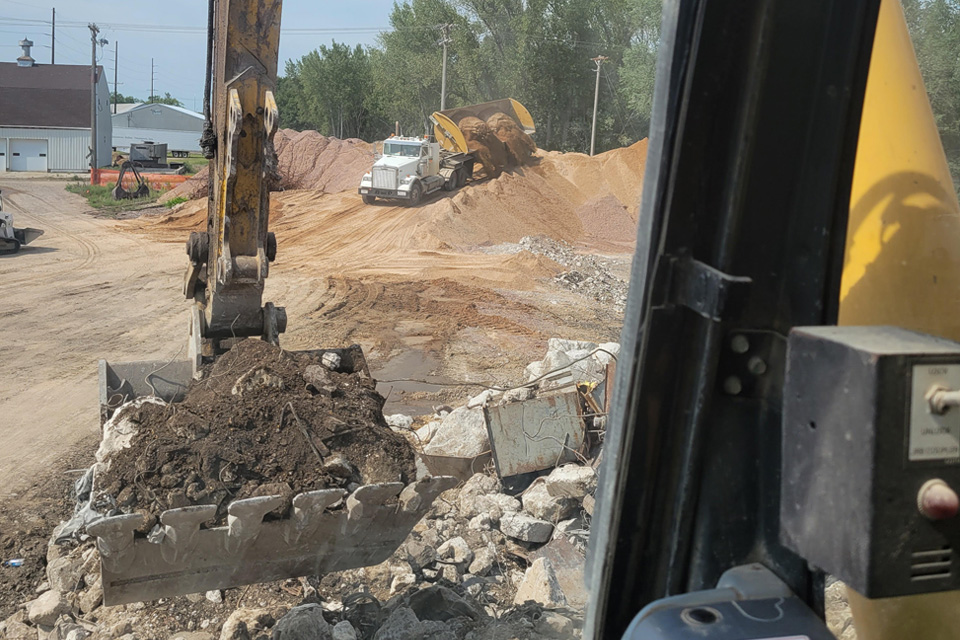
Demolition: The actual demolition process can take weeks or months, depending on the size and complexity of the structure. The structure is gradually dismantled using a combination of manual labor and heavy equipment.
Clean-Up: After the demolition is complete, the site is cleared of any debris, and the remaining foundation is cleaned up and may also involve grading of the site.
- 712-887-0877
- P.O. Box 66, Rockwell City, Iowa 50579